Tuesday, May 23, 2006


Sunday, May 21, 2006
How to get to Denmark....
Denmark is served by two major and several minor airports.
* Copenhagen Airport is the largest airport in Scandinavia. The airport is located at the town Kastrup on the island Amager, 8 km from central Copenhagen. The airport is connected by train to Copenhagen Central Station and beyond as well as Malmo and other towns in Sweden. Buses and taxis are also available.
o Sterling, SAS Scandinavian, and others connect Copenhagen with many cities in Europe and beyond.
o EasyJet serve Copenhagen from London Stansted and Berlin Schoenefeld.
* Aarhus Airport is located on the Djursland peninsula 44 km north east of Aarhus, 50 km from Randers, 90 km from Silkeborg, 99 km fra Horsens, 98 km from Viborg and 138 km from Aalborg. An airport shuttlebus connects the airport to Aarhus Central Station from where you can reach the rest of Jutland by Train.
o Ryanair offers connection to London Stansted Airport
o SAS Scandinavian offers frequent domestic service to its Copenhagen hub.
o British Airways offers regional services to Oslo, Gothenburg and Stockholm.
* Billund Airport in South-Central Jutland is located in the town Billund, 29 km from Vejle, 65 km from Esbjerg, 104 km from Odense, 100 km from Aarhus, 210 km from Aalborg, and 262 km from Copenhagen. The airport is connected by buses to major cities and towns in the region. Taxis are also available.
o Sterling and others connect the region with several cities in Europe.
* Malmö-Sturup Airport is located 61 km from Copenhagen and offers low-fares flights with Ryanair and Wizzair. An Airport shuttlebus connects the airport with Copenhagen central station. FlyBus charges 10 pounds / 100DK for the ride.
* Copenhagen Airport is the largest airport in Scandinavia. The airport is located at the town Kastrup on the island Amager, 8 km from central Copenhagen. The airport is connected by train to Copenhagen Central Station and beyond as well as Malmo and other towns in Sweden. Buses and taxis are also available.
o Sterling, SAS Scandinavian, and others connect Copenhagen with many cities in Europe and beyond.
o EasyJet serve Copenhagen from London Stansted and Berlin Schoenefeld.
* Aarhus Airport is located on the Djursland peninsula 44 km north east of Aarhus, 50 km from Randers, 90 km from Silkeborg, 99 km fra Horsens, 98 km from Viborg and 138 km from Aalborg. An airport shuttlebus connects the airport to Aarhus Central Station from where you can reach the rest of Jutland by Train.
o Ryanair offers connection to London Stansted Airport
o SAS Scandinavian offers frequent domestic service to its Copenhagen hub.
o British Airways offers regional services to Oslo, Gothenburg and Stockholm.
* Billund Airport in South-Central Jutland is located in the town Billund, 29 km from Vejle, 65 km from Esbjerg, 104 km from Odense, 100 km from Aarhus, 210 km from Aalborg, and 262 km from Copenhagen. The airport is connected by buses to major cities and towns in the region. Taxis are also available.
o Sterling and others connect the region with several cities in Europe.
* Malmö-Sturup Airport is located 61 km from Copenhagen and offers low-fares flights with Ryanair and Wizzair. An Airport shuttlebus connects the airport with Copenhagen central station. FlyBus charges 10 pounds / 100DK for the ride.
Wednesday, May 10, 2006


Saturday, May 06, 2006


Tuesday, May 02, 2006
Singing Aarhus
A concert held in Aarhus... I wasn't there but it seems it was a nice event...Eivor Palsdottir... the singer should be:
Saturday, April 29, 2006
Help us to promote the site
If you like this blog please add it to:
http://del.icio.us/
or link it from other sites...
thanks a lot
http://del.icio.us/
or link it from other sites...
thanks a lot
Tuesday, April 25, 2006

aarhus-havn... night view...
It is very dangerous in Aarhus... but visiting the city in the night can be fascinating...

Sunday, April 23, 2006
Vikings are still in Aarhus...
Århus The City of Vikings
"Museums Kopi SmykkerÅrhus was founded during the Viking Age, and there are still traces of the people who chose to settle by the mouth of the Århus Å river. The original town was situated along the river up to Immervad and in the part of the city where the Cathedral is today. Old street names such as Volden (The Rampart) and Graven (The Moat) mark the limits of the town as it then was.
One of the best places to go to get an impression of the city's original size, location and early development, is the Viking Museum which is housed in the basement of Nordea Bank at Clemens Torv.
When excavating the foundations for this building a large number of artefacts and other traces leading back to the Viking Age were found, and similarly the excavations at the Main Square (Store Torv) have provided us with a great deal of information about the city during the Viking Age.
At the Moesgård Museum you can also encounter the Vikings in the hall with the runic stones, at the Viking exhibition, in the reconstructed wooden church - a replica of one of the first small wooden churches in Denmark dating back to the late Viking Age - and in the reconstructed Viking houses.
You can also meet the Vikings in their everyday-life at the large Viking Moot which is held by the Moesgård Museum at the beach in Moesgård every year during the last weekend of July. This is a get-together for "Vikings" from Denmark, Scandinavia, and the British Isles where they demonstrate their skills with Viking weaponry, riding, craftwork, early "convenience goods", food and much more. It is a colourful and fascinating event where you can walk around and see, smell, taste and purchase the various goods - making you feel that you are back in a different era.
You can also acquire jewellery as worn by the Vikings. The shop Museums Kopi Smykker in the street of Kannikegade, in cooperation with Danish and foreign museums, makes exact replicas of ancient and Viking jewellery made from bronze, silver and gold."
(source: visitaarhus.com)
"Museums Kopi SmykkerÅrhus was founded during the Viking Age, and there are still traces of the people who chose to settle by the mouth of the Århus Å river. The original town was situated along the river up to Immervad and in the part of the city where the Cathedral is today. Old street names such as Volden (The Rampart) and Graven (The Moat) mark the limits of the town as it then was.
One of the best places to go to get an impression of the city's original size, location and early development, is the Viking Museum which is housed in the basement of Nordea Bank at Clemens Torv.
When excavating the foundations for this building a large number of artefacts and other traces leading back to the Viking Age were found, and similarly the excavations at the Main Square (Store Torv) have provided us with a great deal of information about the city during the Viking Age.
At the Moesgård Museum you can also encounter the Vikings in the hall with the runic stones, at the Viking exhibition, in the reconstructed wooden church - a replica of one of the first small wooden churches in Denmark dating back to the late Viking Age - and in the reconstructed Viking houses.
You can also meet the Vikings in their everyday-life at the large Viking Moot which is held by the Moesgård Museum at the beach in Moesgård every year during the last weekend of July. This is a get-together for "Vikings" from Denmark, Scandinavia, and the British Isles where they demonstrate their skills with Viking weaponry, riding, craftwork, early "convenience goods", food and much more. It is a colourful and fascinating event where you can walk around and see, smell, taste and purchase the various goods - making you feel that you are back in a different era.
You can also acquire jewellery as worn by the Vikings. The shop Museums Kopi Smykker in the street of Kannikegade, in cooperation with Danish and foreign museums, makes exact replicas of ancient and Viking jewellery made from bronze, silver and gold."
(source: visitaarhus.com)


The Channel
That's a very nice place... you will find the best restaurants and bars in the city... unfortunately prices are not exactly the ones students expect :)


Sunday, April 16, 2006
Trip to Brabrand Lake
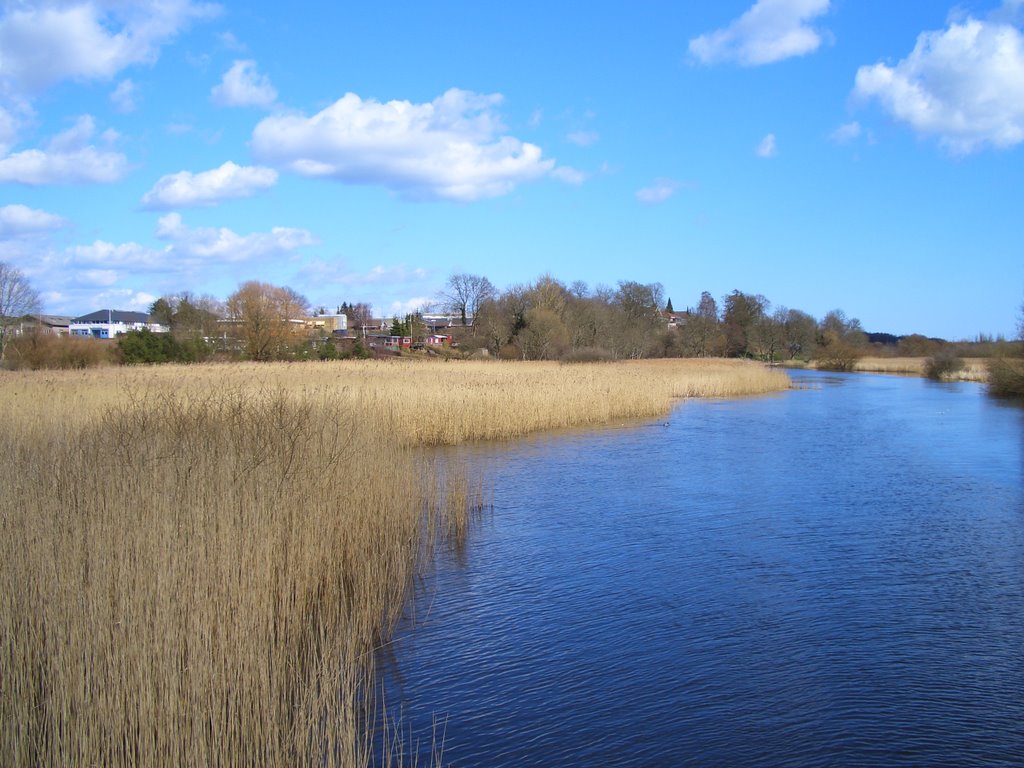 The Lake is only 10 min from City Vest.. i'll publish more photos of it... tomorrow?
Thursday, April 13, 2006


About Aarhus University
University of Aarhus
Aarhus Universitet del af kulturkanonUNIVERSITY OF AARHUS, Århus 1931 ?
Kay Fisker, C F Møller, P Stegmann, C Th Sørensen
Erected in the 1930s, the University of Aarhus hints at brighter times for Århus and Denmark. The architecture is modern, and immediately anti-monumental, as an organic interpretation of the open campus in the centre of the city. It also provides distinctive and solid evidence of how a major structure in an urban context can develop with beauty and with soul over a period of more than 70 years.
The university buildings are set around a valley, rhythmically positioned, correctly distanced, in perfect harmony with the landscape, and such that the valley itself remains virginal. All wings are built in one material only ? yellow bricks for the facings, roofs and paving ? which makes the building structures stand out as uniform, simplistic and prismatic with clean saddle roofs without overhang. At the top, the main building with the main hall screens off the area from the Ringgaden circular road, boasting a more expressive idiom in contrast to the matter-of-fact character of the individual faculty buildings.
The University of Aarhus is a tribute to tile as a building material. The brick tiles knit the buildings closely together in harmony with the surrounding landscape, creating a subdued monumentality with a regional Danish character, most clearly evidenced by the Main Hall building with its gable end throning over the valley. Here, amphitheatrical terracing draws the landscape together, in contrast to the Main Hall?s brick-tiled yard enclosure from where the unifying thought of the entire university reveals itself. This unique integration of the landscape and the buildings is strengthened further by the characterful clumps of oak trees in the park, accentuating the topography and enhancing the landscape. In the fullness of time a grand landscape, almost pastoral in appearance, has emerged ? both classical and regional at the same time.
Source: English translation from the ?Canon of Danish Art and Culture?/The Danish Ministry of Culture
Aarhus Universitet del af kulturkanonUNIVERSITY OF AARHUS, Århus 1931 ?
Kay Fisker, C F Møller, P Stegmann, C Th Sørensen
Erected in the 1930s, the University of Aarhus hints at brighter times for Århus and Denmark. The architecture is modern, and immediately anti-monumental, as an organic interpretation of the open campus in the centre of the city. It also provides distinctive and solid evidence of how a major structure in an urban context can develop with beauty and with soul over a period of more than 70 years.
The university buildings are set around a valley, rhythmically positioned, correctly distanced, in perfect harmony with the landscape, and such that the valley itself remains virginal. All wings are built in one material only ? yellow bricks for the facings, roofs and paving ? which makes the building structures stand out as uniform, simplistic and prismatic with clean saddle roofs without overhang. At the top, the main building with the main hall screens off the area from the Ringgaden circular road, boasting a more expressive idiom in contrast to the matter-of-fact character of the individual faculty buildings.
The University of Aarhus is a tribute to tile as a building material. The brick tiles knit the buildings closely together in harmony with the surrounding landscape, creating a subdued monumentality with a regional Danish character, most clearly evidenced by the Main Hall building with its gable end throning over the valley. Here, amphitheatrical terracing draws the landscape together, in contrast to the Main Hall?s brick-tiled yard enclosure from where the unifying thought of the entire university reveals itself. This unique integration of the landscape and the buildings is strengthened further by the characterful clumps of oak trees in the park, accentuating the topography and enhancing the landscape. In the fullness of time a grand landscape, almost pastoral in appearance, has emerged ? both classical and regional at the same time.
Source: English translation from the ?Canon of Danish Art and Culture?/The Danish Ministry of Culture
At ARoS museum

The new art museum in Århus opens in April 2004 ? it will be one of the largest museums in Northern Europe. In the downstairs area visitors can enjoy the major special exhibitions, with the ?nine rooms? presenting international installation art. The large halls on the upper floors house the museum?s own collections of art from the 19th century up to the present day. The restaurant is at the top, and from the roof there is a commanding view of the city and the bay. At the museum street level there is a café and a shop where admission is free (from).

Picking up speed
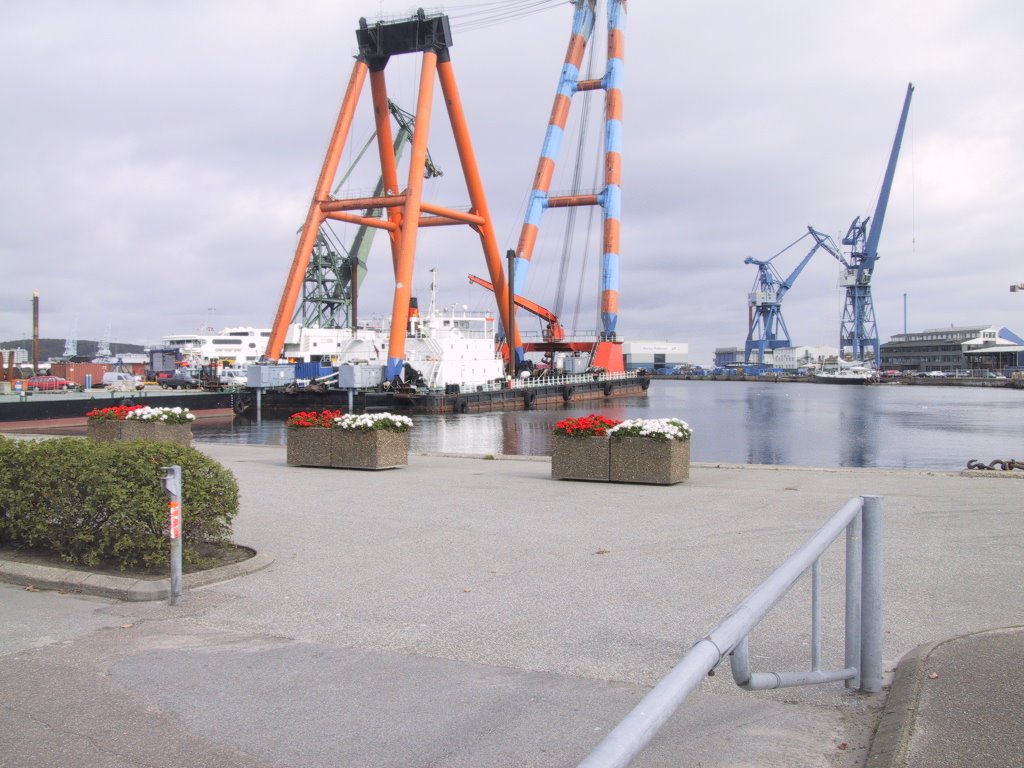
The port has its own towage, pilot and mooring service which is available 24 hours a day, 365 days a year. The land areas and warehouses at the harbour are leased to port-related companies on short-term or long-term leases. The port is well-equipped with cranes for all purposes which are operated by the Port of Aarhus’s own crane operators who are hired out at an hourly rate (source).

Picking up speed
Picking up speed


Tuesday, April 11, 2006
2 new pictures...
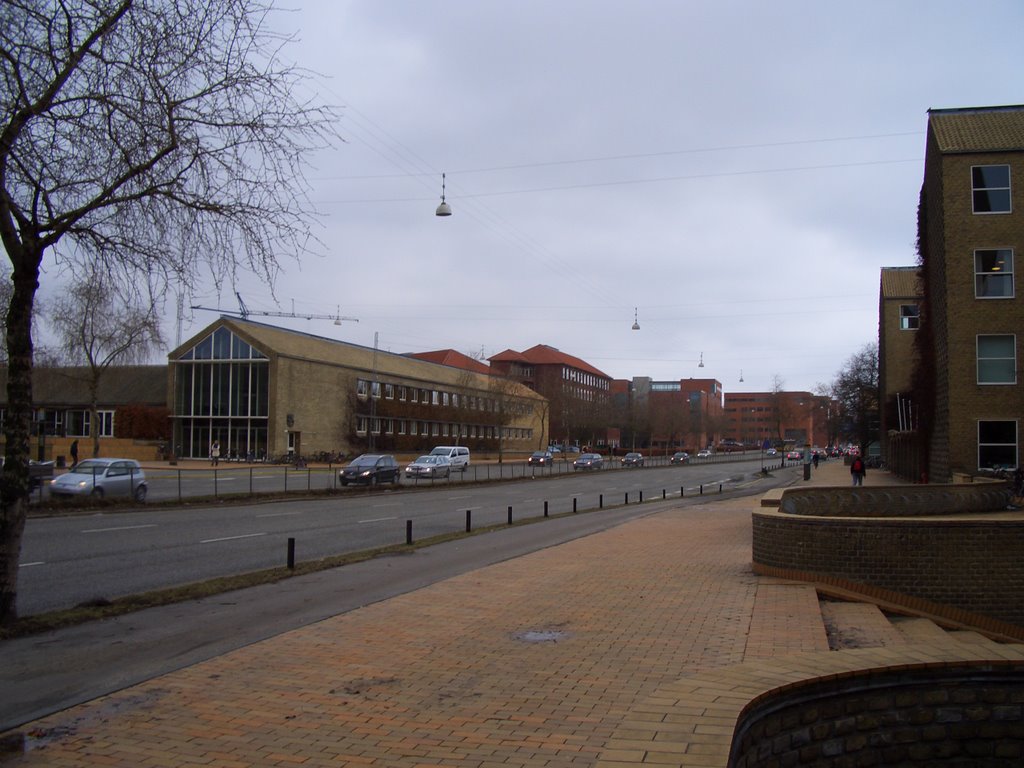
After taking bus 8 you arrive to Aarhus University...
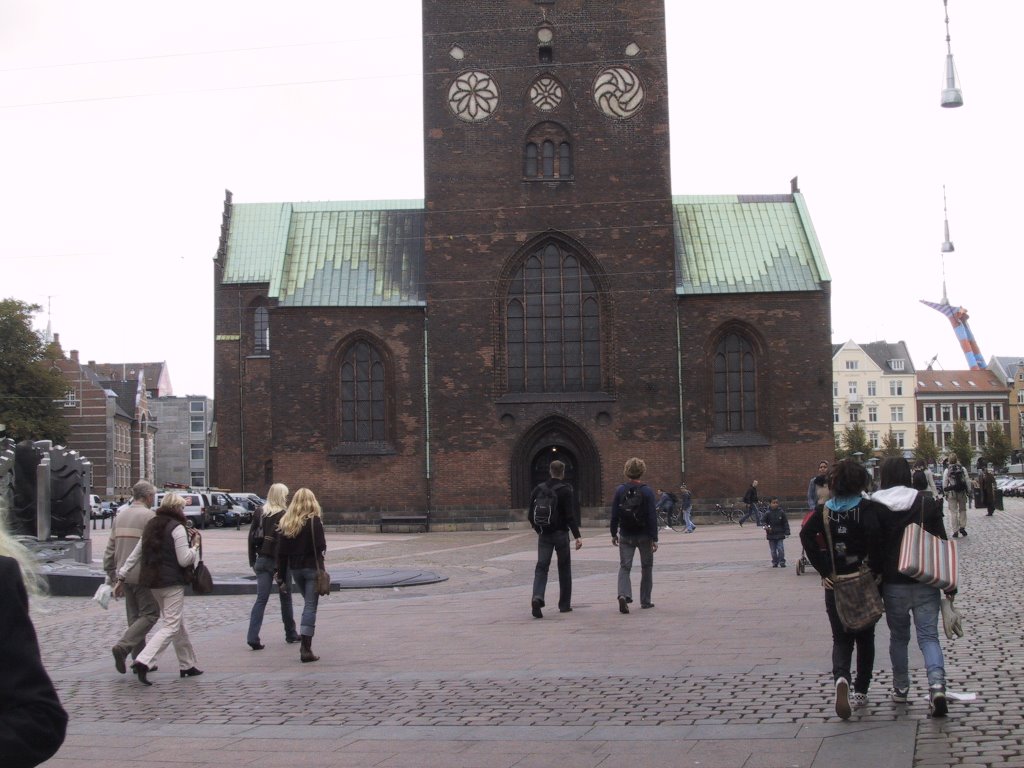 that's probably the "heart" of Aarhus...
Monday, April 10, 2006

Thursday, April 06, 2006
Sunday, April 02, 2006
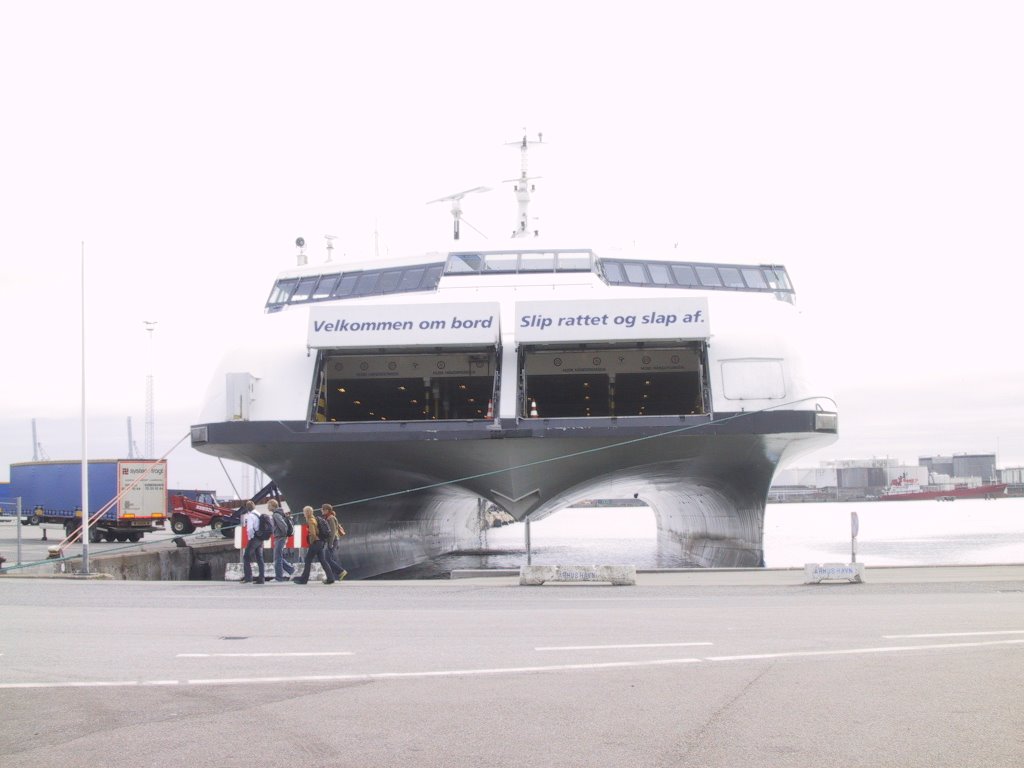
Be a sportsman
 that's the best place for you sportsmen... the area were the best athets train every day...
Friday, March 31, 2006
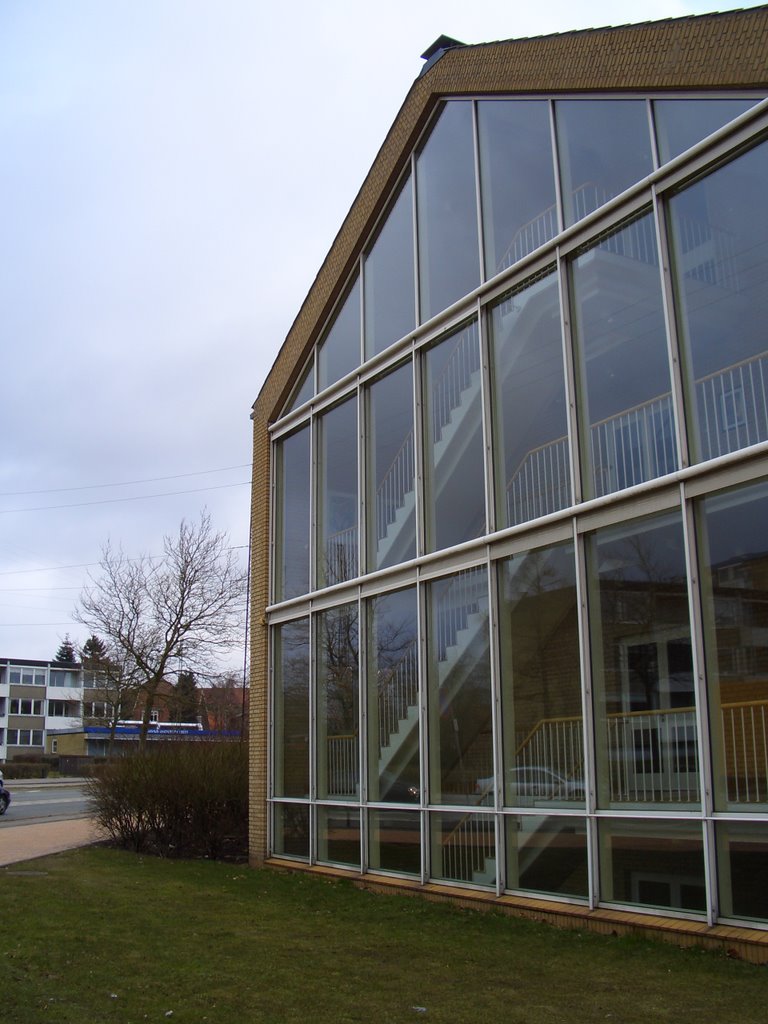
Cultural dimensions
 Near the state library there are many "cultural dimensions"... sounds mysterious... maybe a bit...
Thursday, March 30, 2006
A small lake
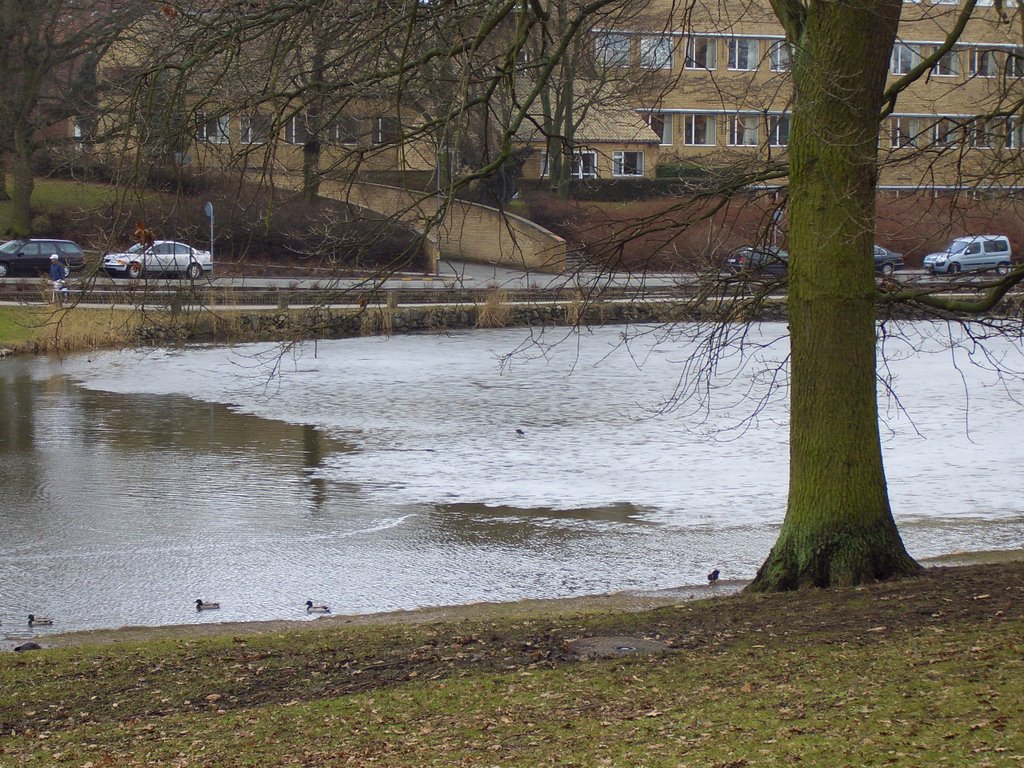 A small lake next to the State Library... very good to think about life, develop new ideas, and relax...
A park close to the university
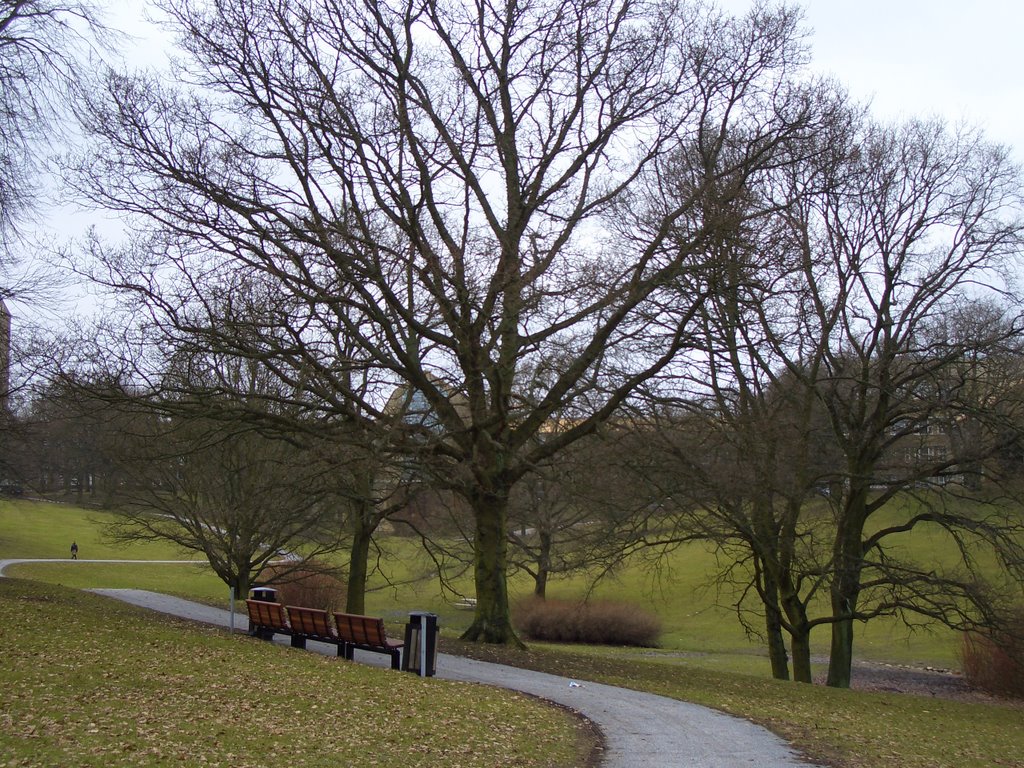 A park close to the university... i will probably post more photos of it... nice to have "clever" and philosphical walks...
University area
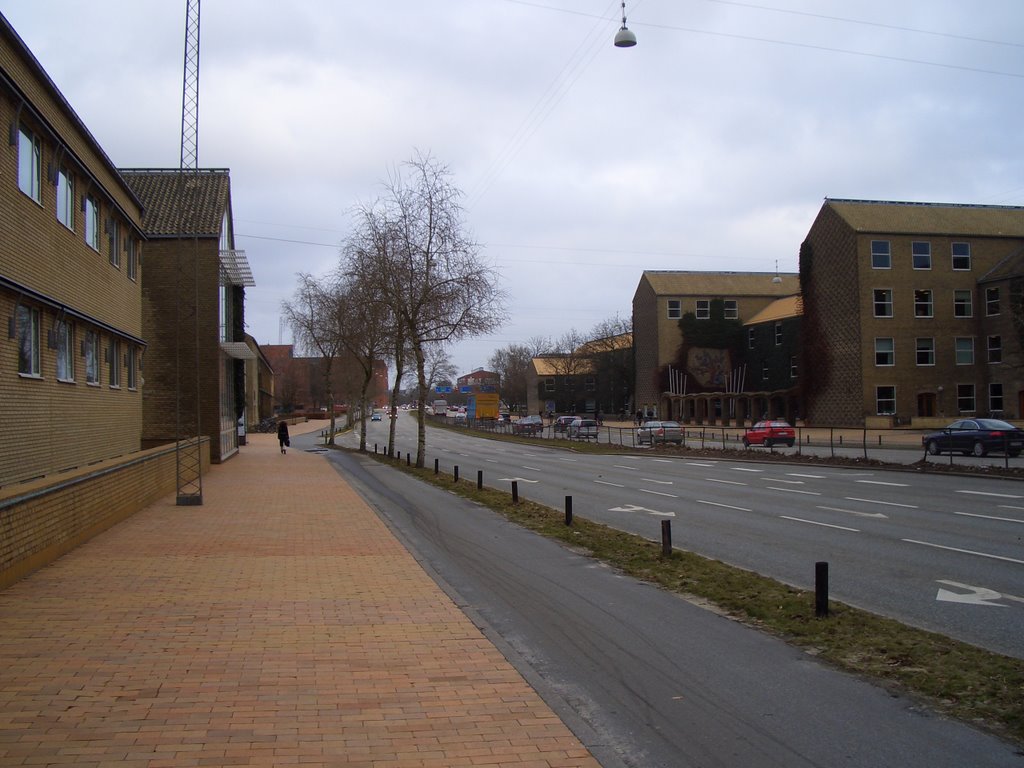 That's the university area... just few meters from the main entrance to the state library...
Tuesday, March 28, 2006
No comments... or just one...
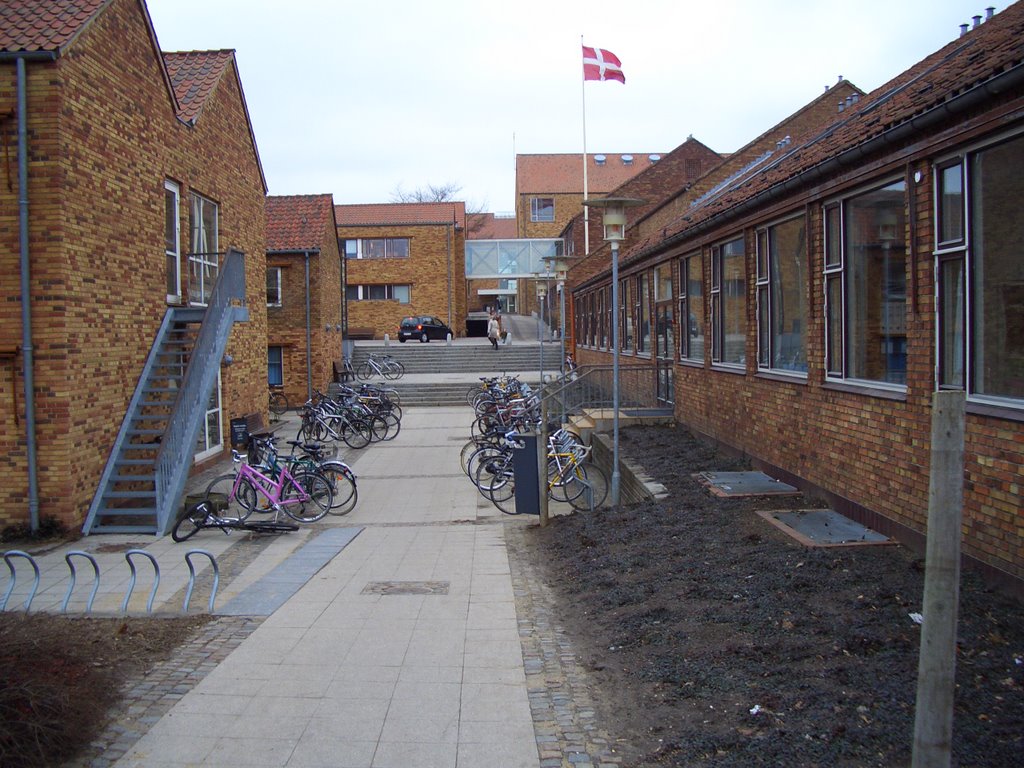 Aarhus School of Business... needless to say the best school you would every reach with your bike...
Skjoldhoj church
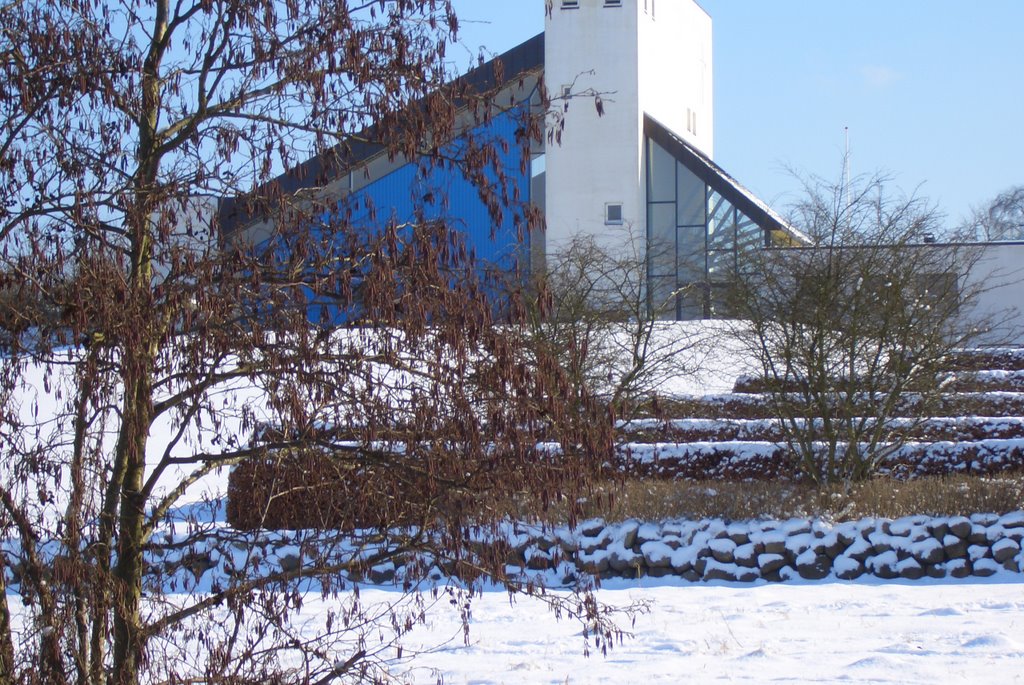 This is the Skjoldhoj church... it's very simple as architecture, but still pretty interesting...
Monday, March 27, 2006
Sunday, March 26, 2006
Saturday, March 25, 2006
Take the bike...
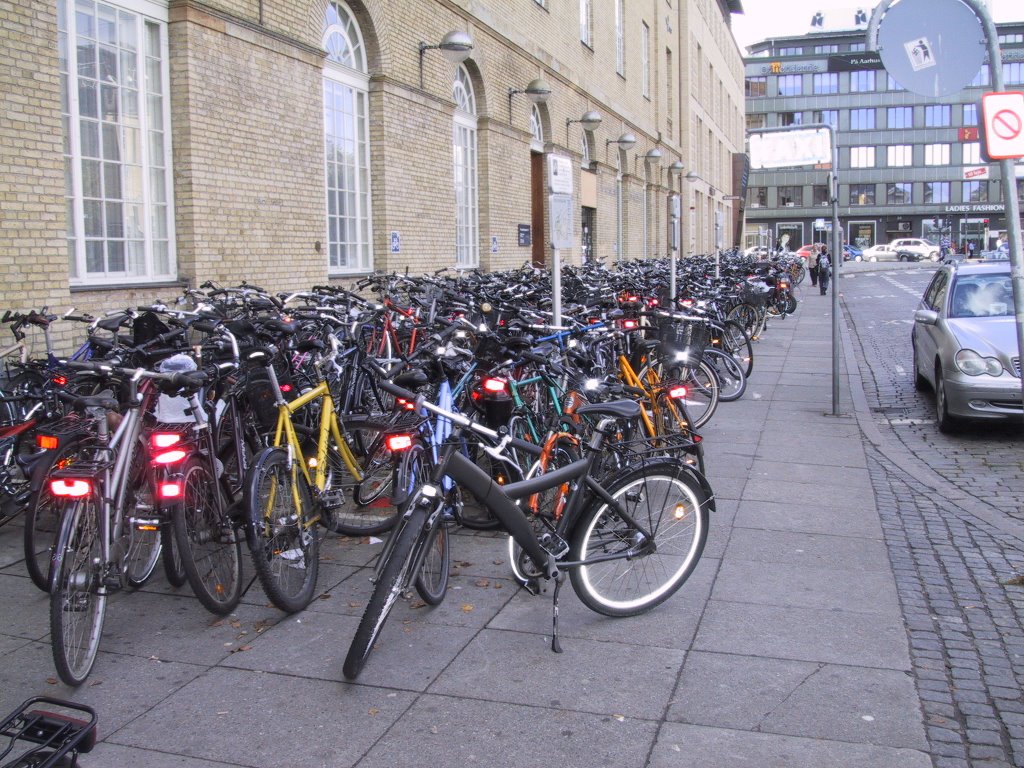 it is always a good idea to take your bike in Aarhus... even though it is tough to find it sometimes... :)
Friday, March 24, 2006

Thursday, March 23, 2006
Wednesday, March 22, 2006
The area near the university
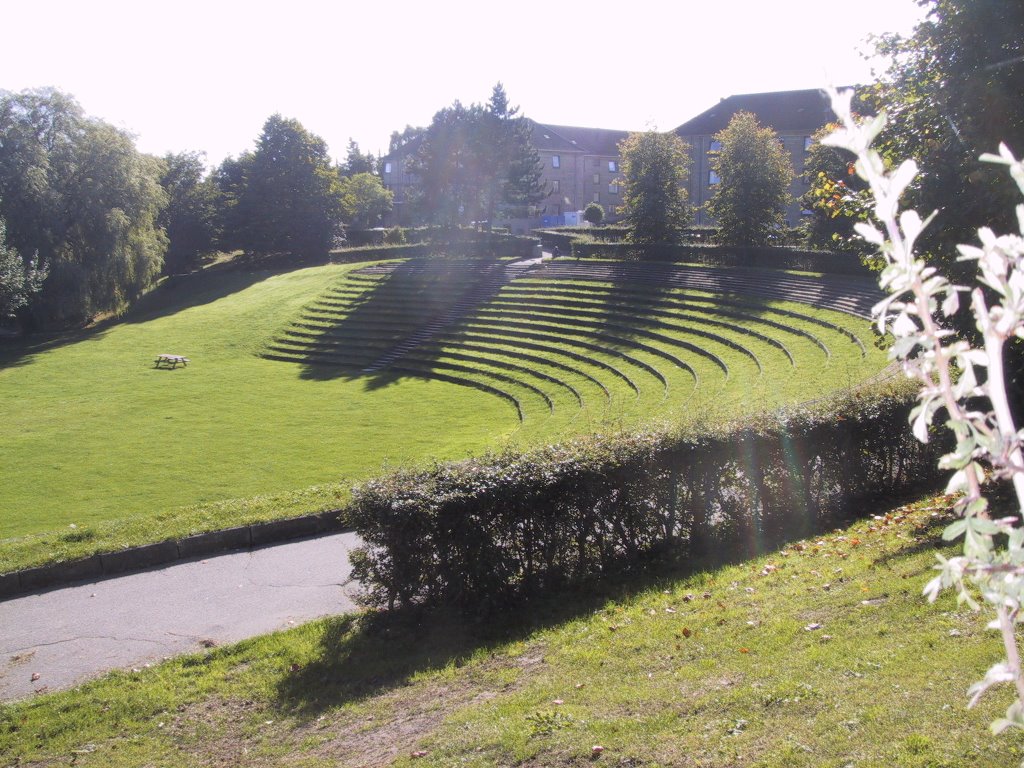 Here we go.. that's the area near the university... look how green this part of the city is...
Tuesday, March 21, 2006
Skjoldhoj once again
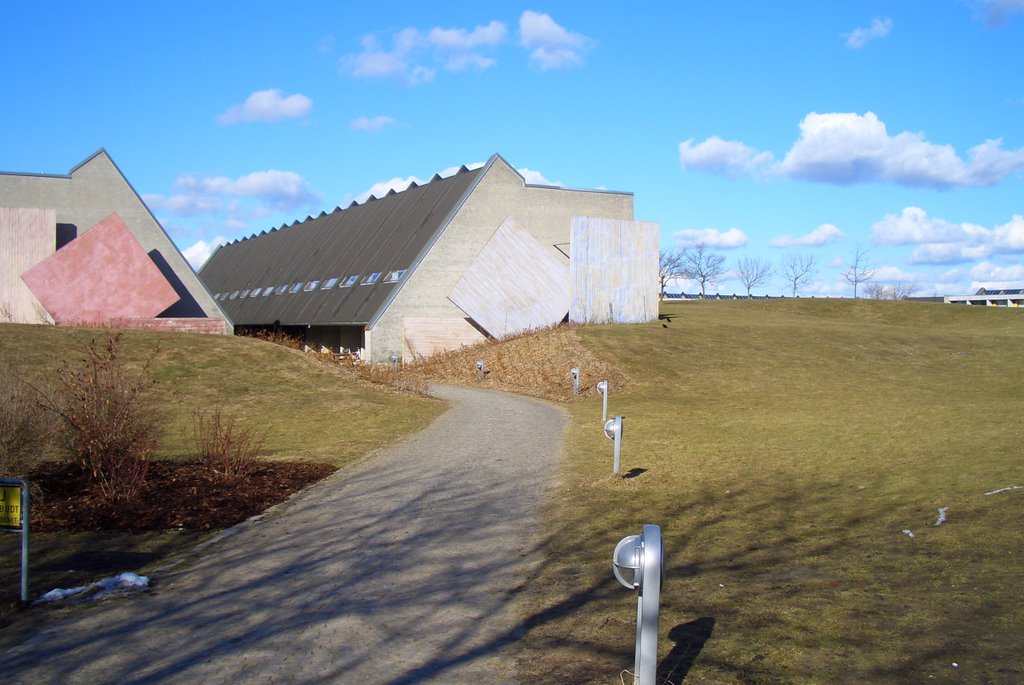
we continue our trip to Skjoldhoj... we admire some of the most beatiful places in the whole Denmark...
Brabrand, Skjoldhoj
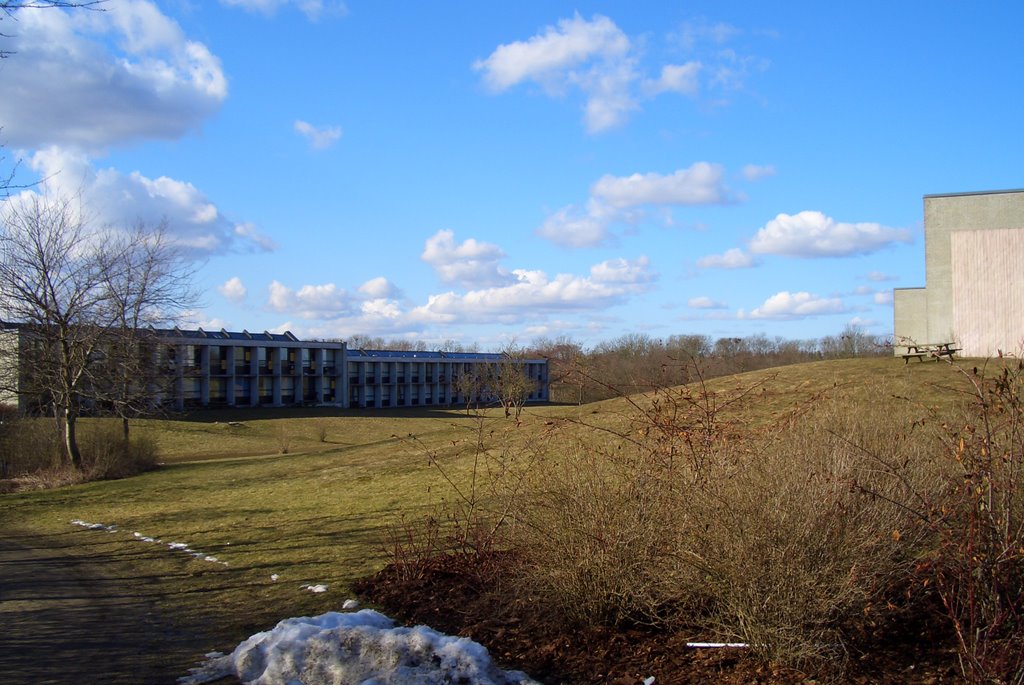
Today we go to Brabrand and Skjoldhoj in particular... it's an area in N-W Aarhus... the weather is beatiful... have a look...
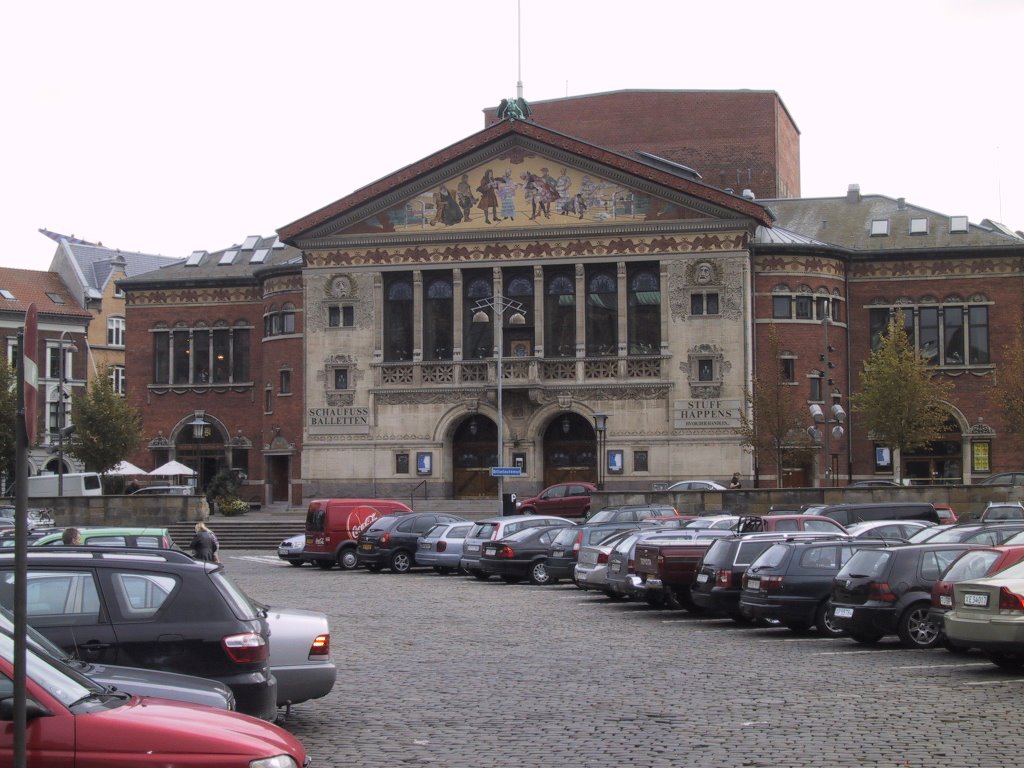
Monday, March 20, 2006
Let's start the trip...
Today we start our trip to Aarhus... a wonderful and misterious city in Denmark... do you want to join us?
Subscribe to:
Posts (Atom)